Established In Sri Lanka
Nippon Karate
Association
Sri Lanka
~ Shotokan Karate Do ~
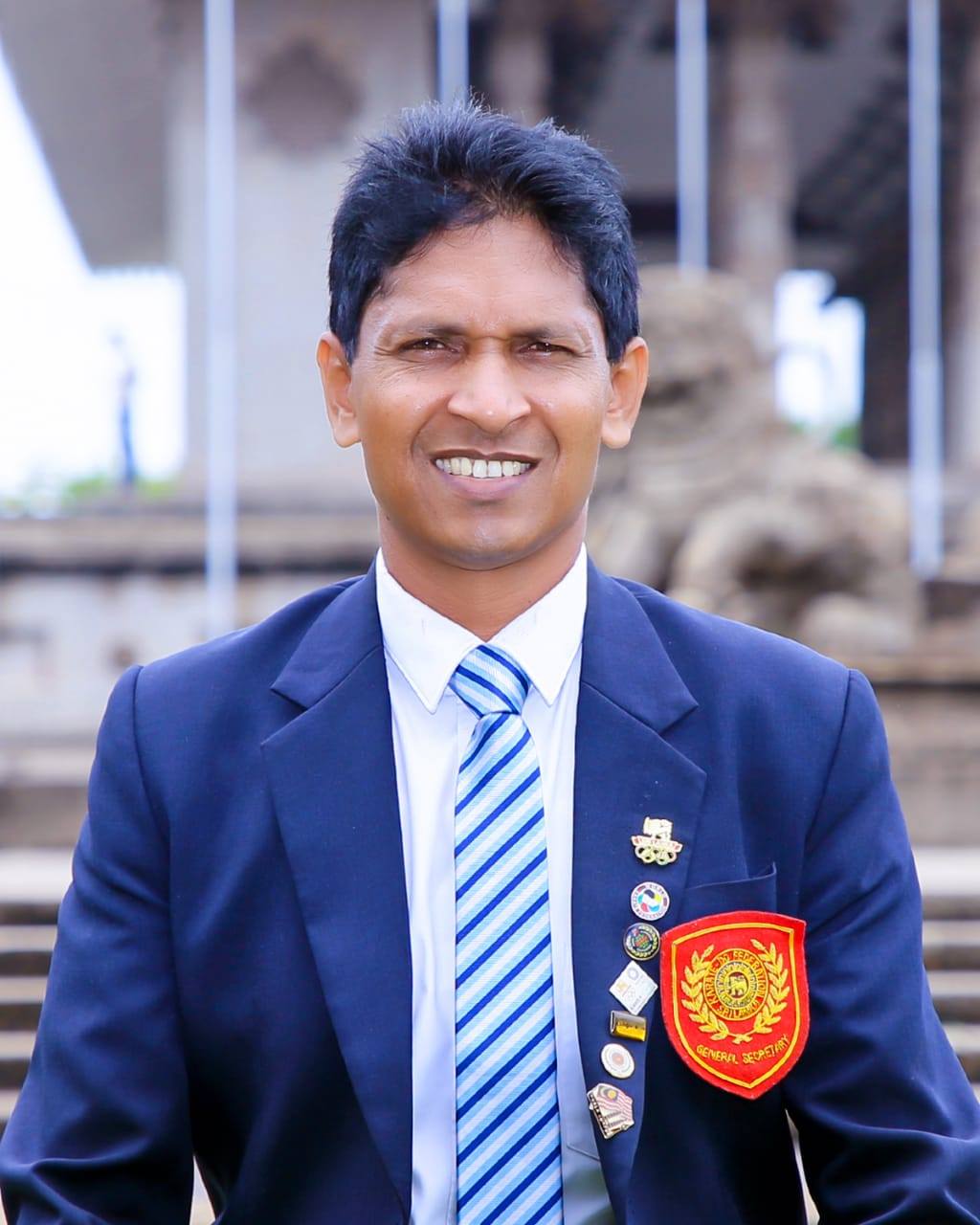
B.M. Keerthi
Basnayake
Black Belt 7th Dan
Director & Chief Instructor
Nippon Karate Association
General Secretary
Sri Lanka Karate Do Federation
With over four decades of dedication to Shotokan Karate, Shihan Basnayake has trained thousands of students and represented Sri Lanka on the international stage. His commitment to preserving the authentic traditions of Shotokan while nurturing the next generation of karateka is unparalleled.
Shotokan (松濤館, Shōtōkan) is a style of karate developed by Master Gichin Funakoshi and his son Master Gigo Funakoshi. Shotokan is named after the two founders, Gichin Funakoshi (1868–1957) and his son Gigo (Yoshitaka) Funakoshi (1906–1945). They created this style by combining various martial arts into a cohesive system.
Gichin Funakoshi, in Okinawa, is widely credited with popularizing "karate do". He did so throughpublic demonstrations and by promoting the establishment of university karate clubs, including those at Keio, Waseda, Hitotsubashi, Takushoku, Chuo, Gakushuin, and Hosei. His efforts laid the foundation for the widespread growth of karate in Japan and beyond.
After Gichin's death in 1957, many of his students-who trained both at university clubs and external dojos-continued to teach and spread karate. However, internal disagreements, especially about the role of competition in karate, led to splits within the karate community. The most notable divisions included the creation of the Japan Karate Association (headed by Masatoshi Nakayama) and the Shotokai (led by Motonobu Hironishi and Shigeru Egami). These differences resulted in no single "Shotokan school" existing today, though all factions still bear Funakoshi's influence.
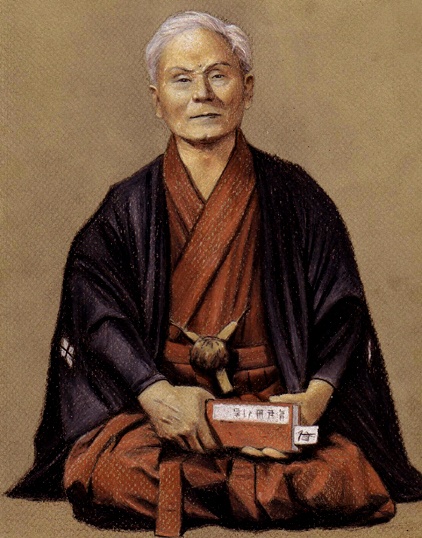
[Shōtōkan-ryū founder Gichin Funakoshi]
Origins of Shotokan Karate
In 1924, Gichin Funakoshi adopted the Kyū / Dan rank system and the uniform (keikogi) developed by Kano Jigoro, the founder of judo. This system introduced the use of colored belts (obi) to indicate rank, marking a significant development in karate's structure.
Originally, karate had only three belt colors: white, brown, and black, each with ranks within those colors. The original belt system is as follows:
- 8th rising to 4th kyū: white
- 3rd rising to 1st kyū: brown
- 1st and higher dan: black
Funakoshi had trained in the two popular styles of Okinawan karate at the time: Shōrei-ryū and Shōrin-ryū. After years of study in both, he developed a simpler system that combined the ideals of these two styles, though he never named it—always referring to it simply as "karate."
Funakoshi's karate reflects the changes made in the art by Ankō Itosu, especially in the Heian/Pinan kata series Heian/Pinan kata series. To make the Okinawan kata names easier to pronounce in the Japanese Honshū dialect, Funakoshi changed some of the kata names.
On 10 April 1924, Funakoshi awarded the 1st dan (初段; shodan) Shotokan karate ranks to the following students:
- • Tokuda
- • Hironori Ōtsuka (Otsuka)
- • Akiba
- • Shimizu
- • Hirose
- • Makoto Gima
- • Shinyō Kasuya
Begin Your
Karate Journey
Join the legacy of Shotokan excellence. Train with one of Sri Lanka's most experienced karate masters and discover the transformative power of martial arts.
Contact Us